LMC Media
Beautiful Breasts Even After Age 45+
May 20, 2026

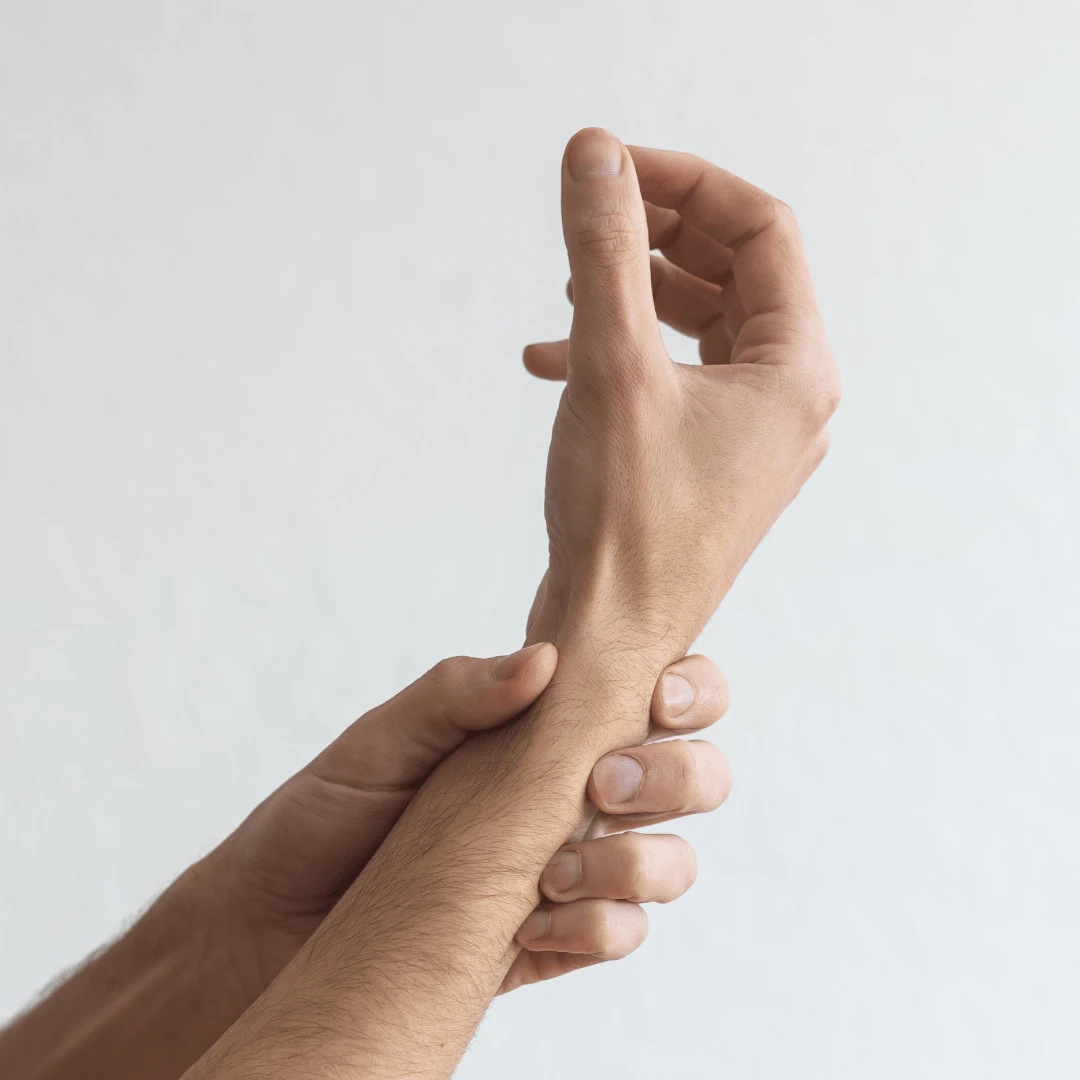
“Doctor, I feel like I’ve lost the use of my hands!” This is how patients often describe their feelings when they complain that various objects regularly slip out of their hands during daily activities. During the conversation, it becomes clear that they feel “pins and needles” in their hands; they feel numb and insensitive—as if “they’re not my hands anymore.”.
Hand disorders are widespread today, and the range of patients affected is very broad. Unfortunately, there are a number of professions in which the incidence of hand disorders is very high.
Are you in a high-risk group?
Doctors have identified certain professions whose practitioners are at increased risk of developing hand disorders:
It has also been shown that the development of hand disorders is influenced by the patient’s overall health. For example, the risk of carpal tunnel syndrome is also increased by factors such as being overweight, diabetes, high blood pressure, and smoking.
First, numbness; then, pain
At first, when a nerve in the hand is compressed, a person feels numbness in their fingers or a sensation as if “pins and needles” are running through them. Doctors refer to these unpleasant sensations as paresthesias. As the condition progresses, the pain becomes increasingly severe. Eventually, motor dysfunction in the fingers develops.
One of the most common hand conditions is carpal tunnel syndrome. The base of the wrist is formed by the carpal bones, between which the carpal ligament runs. This forms a closed space—the carpal tunnel—with a specific volume, containing the nine flexor tendons responsible for bending the fingers. Between these nine strong tendons in the carpal tunnel lies the median nerve, or median nerves. If pressure increases in this tunnel, the nerve senses it because the increased pressure causes blood flow to decrease, leading to carpal tunnel syndrome.
Monotonous and repetitive movements are the most harmful to tendons. They lead to inflammation not only in the flexor tendons but sometimes also in the extensor tendons. If a person has to repeat the same movement all day long, inflammation will naturally set in because the sheaths surrounding the flexor tendons swell, leaving no room for the nerve. The nerve becomes compressed, and problems begin.
Numbness in the fingers is usually felt in the first three fingers during a pincer grip, and sometimes partially in the fourth finger as well. The muscles at the base of the thumb, which enable full movement of the thumb, are affected the most. If these muscles have atrophied, it means the problem has already been neglected.
Statistics show that carpal tunnel syndrome is five to ten times more common in women than in men. This is partly because they are more likely to perform tasks involving repetitive movements, and hormonal factors also play a significant role. Women may experience swelling in the tendon sheaths at various stages of life, including during pregnancy, breastfeeding, perimenopause, and postmenopause.
Ointments won't help
Sometimes, to relieve discomfort, patients apply various gels and ointments, but experience shows that these are not very effective. Anti-inflammatory steroid injections, or nerve blocks, yield better results. In the early stages of the disease, one or two blocks are usually sufficient. If multiple blocks are necessary, there must be a break of at least three months between them. The effect of a block lasts for half a year, but what the patient does afterward is very important. If the patient continues to work hard and does not undergo rehabilitation, the condition will not improve and surgery will be necessary.
Doctors recommend that everyone perform regular exercises for the base of the palm and fingers, which are demonstrated and taught by occupational therapists and physical therapists. These exercises can be done anywhere—at home, at work, or during breaks—and they effectively strengthen muscles and joints.
There are also other hand conditions
Although carpal tunnel syndrome is a very common condition, similar symptoms can also be caused by other diseases, since the fingers are innervated by various nerves. Numbness in different fingers does not necessarily indicate the same condition. If a person experiences numbness in the thumb, index finger, middle finger, and half of the ring finger, the carpal tunnel is most likely to be the cause; but if their little finger and half of the ring finger are numb, the problem could be compression of the ulnar nerve. These are completely different conditions that are treated differently.
Dipitrene contracture is also common. It is a connective tissue disorder of the hand that manifests as hard nodules under the skin of the hand. Over time, as these nodules grow, the fingers and hand become contracted and immobile.
Ganglions, or hygromas, may appear on the palms; these are benign cystic growths, but they can still put strain on tendons or joints.
The hands are the body parts most commonly injured. Fractures of the wrist bones are common. If they are not noticed in time, diagnosed, or treated properly, they can lead to chronic pain, reduced hand function, and complications such as nerve and tendon damage.
Hand surgeons also perform highly complex surgeries to reconstruct fingers and hands following various work-related and household injuries, such as when a person cuts, severs, or chops off, saw off, or otherwise damage their most valuable tool—their hands.
Don't wait—seek help!
Doctors at the Latvian Microsurgery Center urge anyone experiencing problems with their hands not to wait, but to seek help, because treatment started early can yield the best results and allow the patient to fully regain their quality of life.
Take care of your hands!
Sign up for a consultation here:
Or by calling the following numbers:
+371 67969830
+371 20284685
Healthcare facility code: 0194-66204