
LMC Media
Beautiful Breasts Even After Age 45+
May 20, 2026

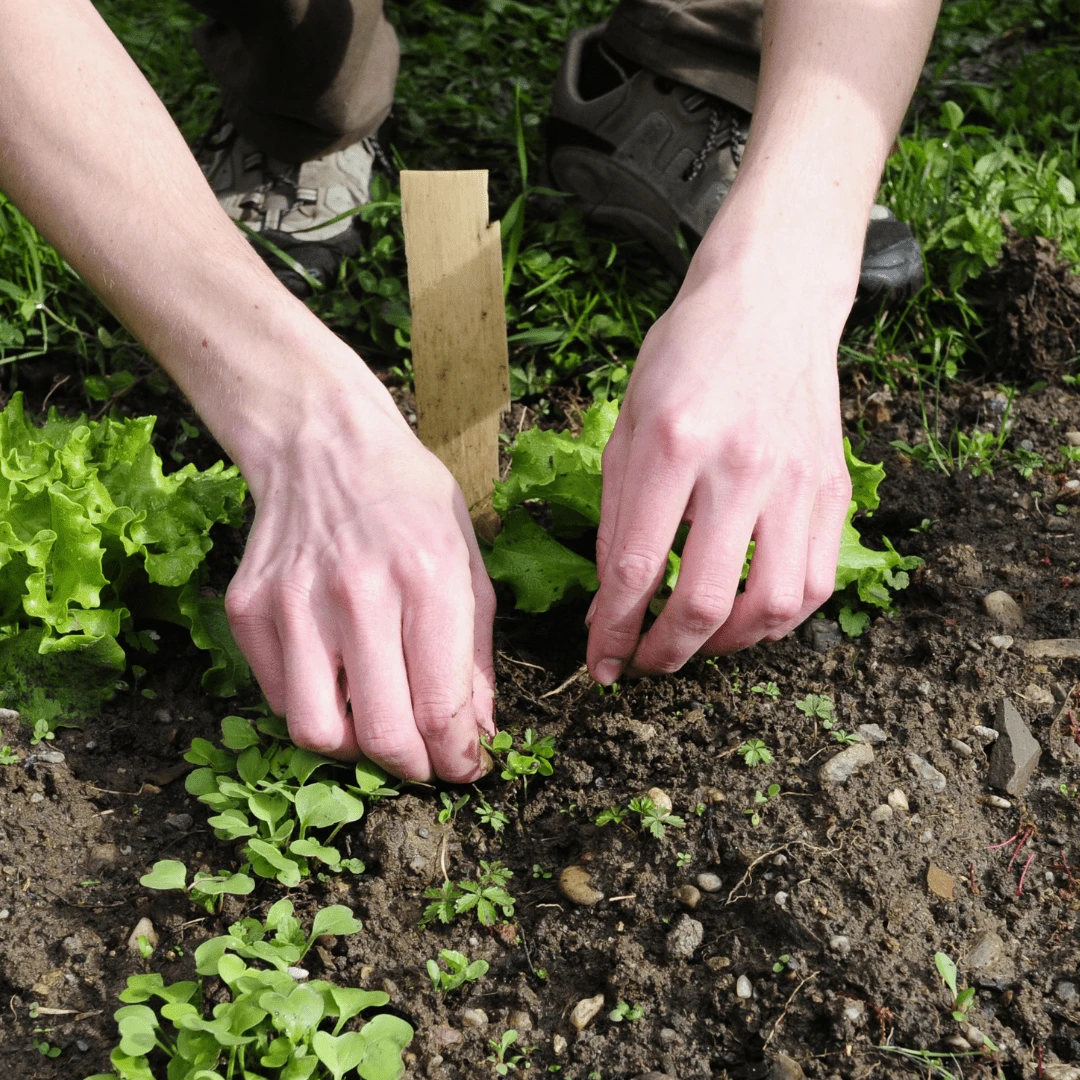
Vadims Ņefjodovs, a plastic surgeon at the Latvian Microsurgery Center, explains in the latest issue of the magazine “Mans Dārzs” how carpal tunnel syndrome develops, what to do to protect your hands, and what treatment options are available.
The carpal canal, or carpal tunnel, is present in everyone—the base of the wrist is formed by the carpal bones, between which the carpal ligament runs. It is a closed space with a specific volume, containing the nine flexor tendons of the fingers, which are responsible for bending the fingers. Between these nine strong tendons in the carpal tunnel lies the median nerve, or median nerves. Carpal tunnel syndrome is a pathological condition in which pressure builds up in this tunnel; while this does not cause significant problems for the tendons, the nerve is affected, because the increased pressure causes blood flow to decrease, leading to the development of carpal tunnel syndrome.
For those in the office and those in the garden
Carpal tunnel syndrome is three times more common in women than in men, and one of the reasons is menopause, which is associated with hormonal changes, including changes in ligament stiffness. However, overall, the most common cause of this condition is prolonged, chronic overuse. People who work with their hands on a daily basis and constantly strain their fingers are at risk. This is a very large group of people—all office workers, chefs, construction workers, artisans, gardeners, and many others.
“Tendons dislike monotonous and repetitive movements the most. These lead to inflammation not only in the flexor tendons, but sometimes also in the extensor tendons. For example, if a person spends the whole day frying cutlets—I’ve seen patients like this—and has to repeat the same movement all day long, inflammation will naturally set in over time, and the carpal tunnel is a high-risk area because, as I mentioned, it’s a confined space with a limited volume. As a result, the flexor tendons become inflamed, their sheaths swell, and the nerve has nowhere to go. It gets compressed, the pressure in the carpal tunnel increases, blood flow to the nerve decreases, and problems begin. It has been proven that other factors—such as being overweight, diabetes, and smoking—also increase the risk of carpal tunnel syndrome. I also always ask my patients about both their daily activities and their hobbies—whether it’s knitting or gardening. ”This helps indicate what the situation might be and how high the risk of the condition is,” explains the plastic surgeon.
From Numbness to Pain
At first, when the nerve is compressed, a person feels numbness in their fingers or a “pins-and-needles” sensation running through them; in medical terms, this is called paresthesia. This isn’t pain yet, but rather an unpleasant, prickling sensation. The numbness is felt in the first three fingers during a pincer grip. The little finger is not affected by this condition, while the ring finger is partially affected—to a greater or lesser extent. As the syndrome progresses, pain sets in, which is more pronounced at night and disrupts sleep. Later, if the person does not see a doctor, motor function in the fingers becomes impaired. The muscles at the base of the thumb, which enable full movement of the thumb, are affected the most. If these muscles have already atrophied, it means the problem has been neglected. Therefore, you should see a doctor in a timely manner, as that is when the best help can be provided.
“Interestingly, patients” symptoms and the intensity and duration of their pain are often not related to the severity of the condition as indicated by test results. There are people who come to the doctor with complaints even though tests show that the nerve has only mild damage, and there are those who seek help only when tests confirm that muscle atrophy has already set in. Unfortunately, it is difficult to help at this stage, and even after a successful surgery, sometimes part of the nerve is unable to regenerate. “That’s why it’s important to see a doctor in a timely manner; prevention is also very important to avoid the problem in the first place,” emphasizes Vadims Ņefjodovs.
What should I do?
Carpal tunnel syndrome is primarily treated by plastic surgeons. The most important steps are the clinical examination and consultation with the patient, while the diagnostic tests—ultrasound and nerve conduction studies—reveal the extent of nerve damage. What’s next? Vadim Nefyodov emphasizes that treatment always begins and ends with physical rehabilitation: “If we sit for a long time with a hunched back and rounded shoulders, our back starts to ache, and we feel the urge to stretch and straighten it. The same applies to the tendons in our arms, especially the flexor tendons. That’s why, after prolonged work, they need to be stretched. Second, to stretch the nerves, specific exercises must be performed—exercises that occupational therapists and physical therapists demonstrate and teach you how to do correctly. That is why I recommend physical rehabilitation to all my patients, regardless of the stage of the condition. In the early stages of the condition, nighttime splints can also be used; these prevent the hand and fingers from curling into a fist and keep them in a straight position—this also helps. If carpal tunnel syndrome has developed, medication won’t really help. Yes, some people take medications that relieve neuropathic pain, but this is symptomatic treatment that does not improve the course of the disease. The effectiveness of nonsteroidal anti-inflammatory drugs (NSAIDs) in this case has not been proven either. Sometimes, to relieve discomfort, people apply various gels and ointments. However, if a pain reliever is applied to the skin, it does not reach the tendons at all. If our skin were that permeable, it would cause serious problems, since one of the skin’s basic functions is to protect the body from external irritants. So, if you want, you can apply pain-relief gels, but they won’t significantly improve the situation.”
Helps with blockages
The next step is anti-inflammatory steroid injections, or “blockades.” In the mildest stage of the disease, one blockade is usually sufficient; sometimes two are needed. If more are needed, there must definitely be a break between them—at least three months, but preferably even longer. If the nerve block does not help, surgery should be scheduled. Sometimes people worry that a nerve block might affect sensation in their fingers, but these concerns are unfounded. The most important thing is to determine whether the patient has any allergies to medications, especially local anesthetics; however, allergies to lidocaine are very rare these days. As the plastic surgeon explains, the injection site may be tender for the first few days after the nerve block, and swelling may occur, but after a week or two, most patients notice an improvement. Depending on the stage of the disease, the benefits naturally vary, just as the duration of the nerve block’s effectiveness varies. On average, the nerve block’s effect lasts for half a year, but what the person does afterward is also crucial. Specifically, whether they begin rehabilitation—which is vitally important—or resume physically demanding work, since it’s clear that changing one’s profession or workplace isn’t so simple. If the condition does not improve, surgery must be planned, and in fact, most patients with carpal tunnel syndrome end up having it. Once tendon inflammation has set in, it is impossible to get rid of it completely. It can be treated, but as soon as there is increased strain, the inflammation returns.
Solution – surgery
The procedure involves cutting the carpal ligament so that the space is no longer closed and the contents have room to expand. This causes the pressure to drop rapidly, and the swelling no longer compresses the nerve. If there are no contraindications, the surgery is performed under local anesthesia—it takes about 20 minutes on average, and the patient goes home afterward. Does the surgery mean that carpal tunnel syndrome will no longer be a problem? There have been very rare reported cases where the carpal tunnel has closed up again.
There will be no improvement even if a person does not undergo rehabilitation after surgery but immediately returns to the garden to weed. However, the problem is not that the nerve has not been released, but that the entire surgical site has scarred over. There have been such cases, and in those instances, repeat surgery is necessary to release the scar tissue. The first two weeks after surgery, while the wound is healing, are also very important. The wound must be dressed regularly; it must not be exposed to moisture, ointments, or physical strain. However, you should begin moving your fingers no later than the day after surgery. Gently, slowly, and without straining—but the fingers must be moved. Stitches are usually removed two weeks after surgery. You can return to your normal daily routine three weeks after surgery. Of course, you shouldn’t immediately start chopping firewood or help with a beet-harvesting work party, but you can perform your daily chores. The scarring process, however, takes about half a year until the scar has fully formed—it usually appears as a white line on the skin.
How can you protect your hands?
Atbild Vadims Ņefjodovs: “Protams jāievēro vispārēja ergonomika, ik pēc 20-30 minūtēm pārtraucot darbu, atpūtinot un izvingrinot pirkstus. Tomēr vissvarīgākā gan profilakses, gan ārstēšanas daļa ir rehabilitācija. Ikvienam vajadzētu būt fizioterapeita uzraudzībā, tāpat kā esam ģimenes ārsta uzraudzībā. Un šai sadarbībai vajadzētu būt, jau sākot no pusaudža vecuma. Ticiet, ir tā vērts, jo pats regulāri apmeklēju fizioterapeitu. Plaukstas pamatnes un pirkstu vingrinājumus var izpildīt arī sēžot pie galda vai mašīnā un gaidot luksoforā iedegamies zaļo gaismu. Tam nevajag speciāli ieplānot laiku vai iegādāties papildu aprīkojumu – var vingrot, neatraujoties no ikdienas gaitām.”
Source: “Mans Dārzs” magazine”