
Mārtiņš Kapickis, M.D.
Board-certified plastic surgeon, microsurgeon, hand surgeon
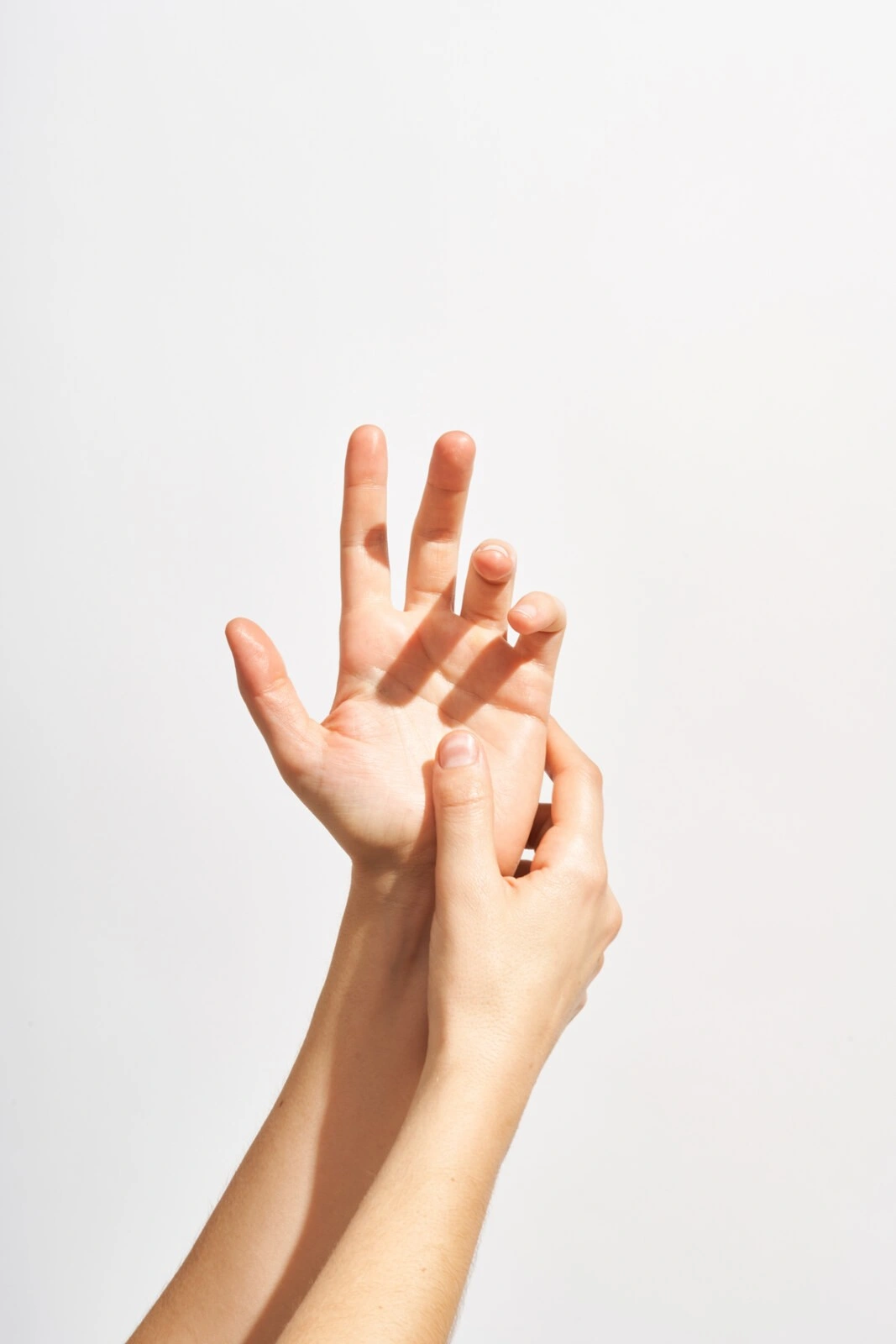
Dupuytren’s disease, also known as Dupuytren’s contracture, is a connective tissue disorder of the hand that causes the formation of hard nodules under the skin of the hand. Over time, these nodules grow larger, causing the hand or fingers to contract, and the fingers become immobile.
People with diabetes, liver disease, and epilepsy are more likely than others to develop this condition; hereditary cases of Dupuytren’s disease have also been observed. Surgery is necessary if the person can no longer place a straightened hand on a table with the fingernails facing upward, or if the nodules are painful. It is important to see a doctor early on, as treatment outcomes depend on the stage of the disease as well as on postoperative hand therapy.
+
+
+



Showing 4 of 15 specialists
Dupuytren’s contracture, also known as palmar fibromatosis or “Viking disease,” is a progressive connective tissue disorder. As the disease progresses, nodules and cords form on the palm. Over time, the cords contract, bending the fingers and making them unable to straighten.
Dupuytren’s contracture is a slowly progressive formation of connective tissue adhesions; it does not resolve on its own.
When finger contractures are diagnosed, surgery is necessary to excise these cords and nodules, thereby restoring the range of motion in the fingers. Unfortunately, fibromatosis affects all the connective tissues of the hand, so it is not always possible to prevent the recurrence of contractures. In most cases, a single surgery is sufficient; however, in cases of aggressive Dupuytren’s disease, you may require multiple surgical procedures over the course of your life.
Surgery is needed when you can no longer place your palms and fingers straightened on the table. The best results of the operation are expected while the total finger contracture doesn't yet exceed 90 degrees. In such cases, full recovery of finger movement is rare, i.e. the contracture may persist. In case of severely tightened fingers, a longer operation and recovery time are required, as well as more frequent visits to an occupational therapist during the recovery period.
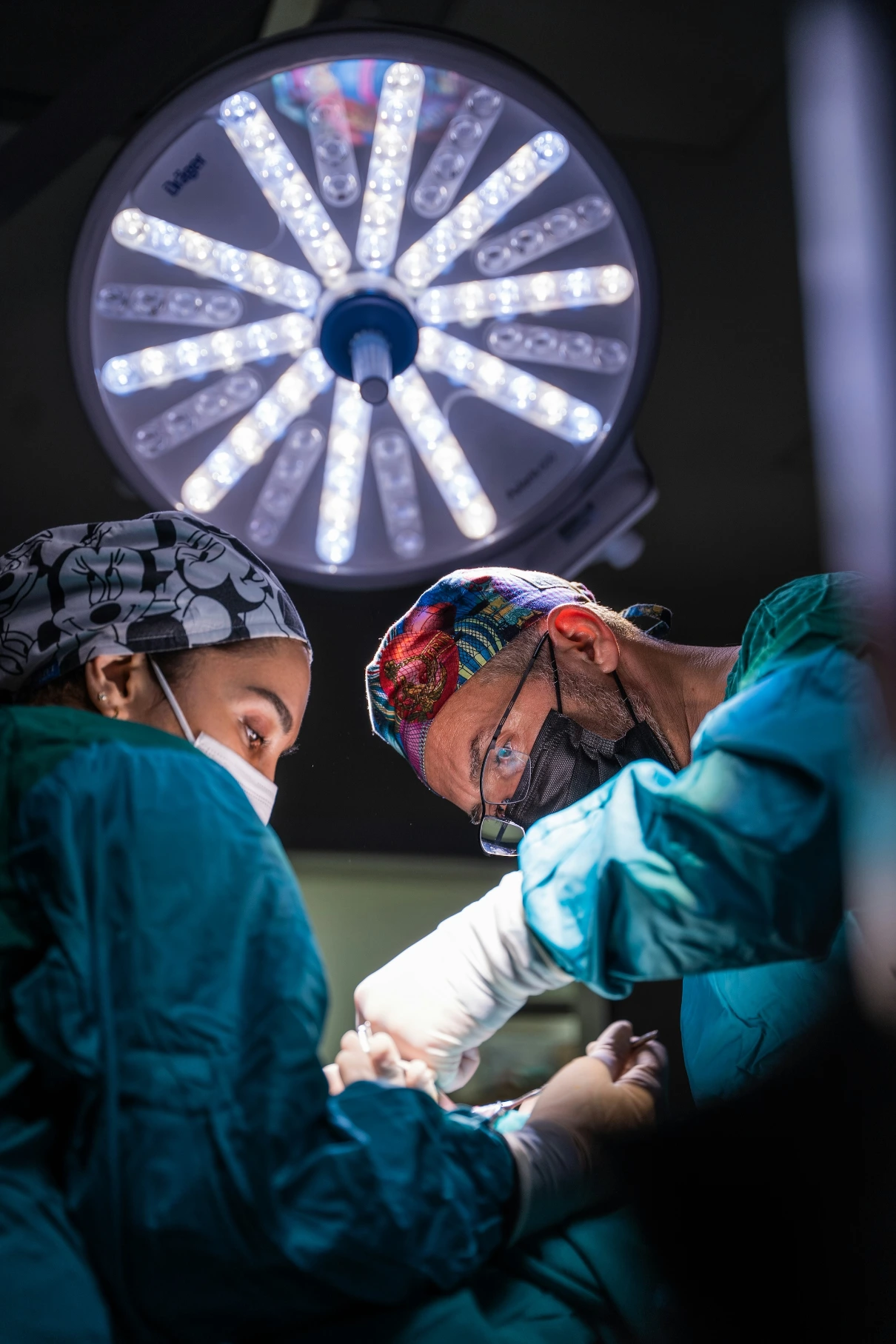
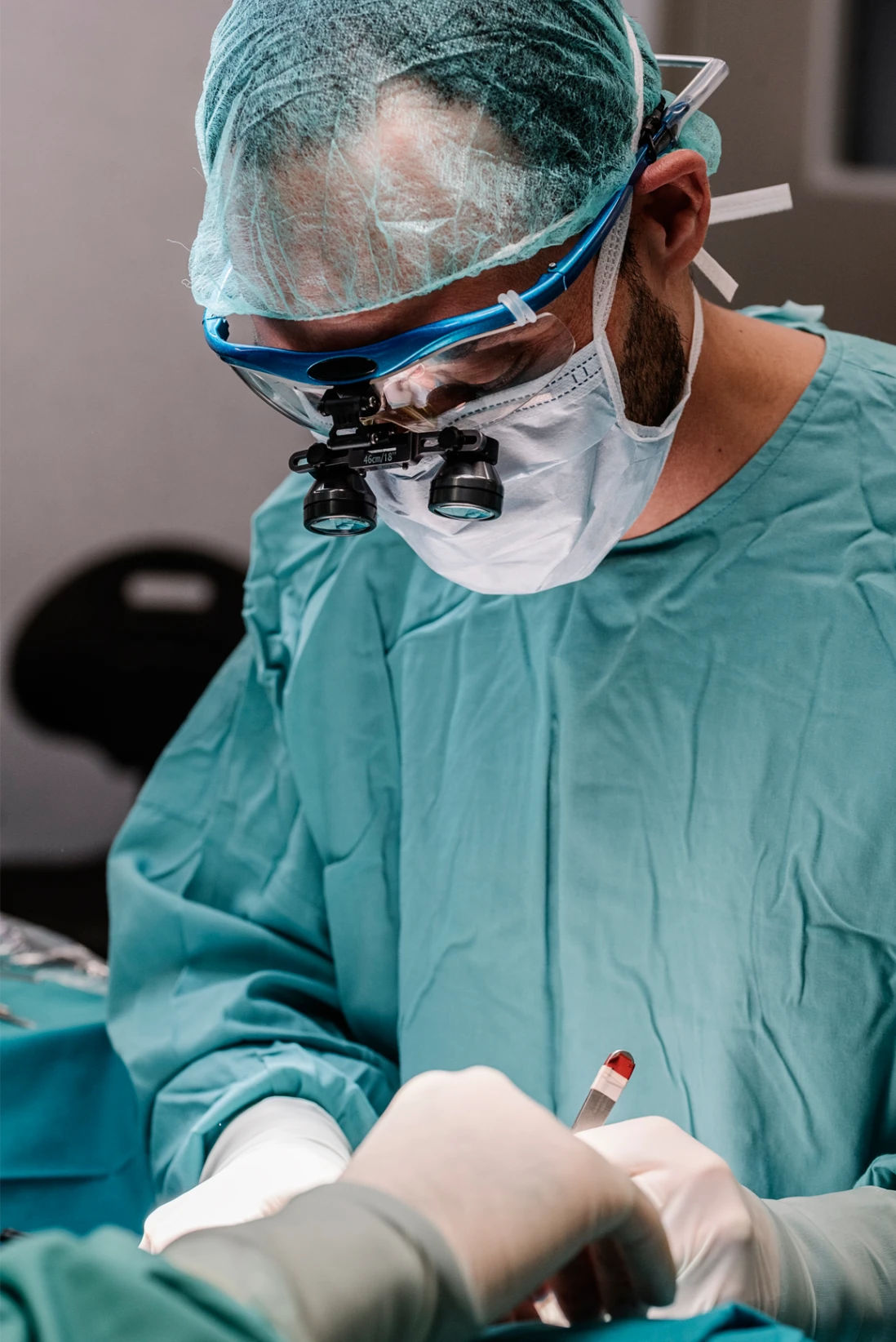
The surgery is usually performed under regional anesthesia—the doctor injects medication into your arm, numbing it. In simpler cases, the surgery lasts about an hour; in more complex cases, it can take several hours. During the surgery, incisions are made above the tendons and joints, sometimes extending from the base of the palm to the fingertips. When severely contracted fingers are straightened, a skin defect often forms, which can be corrected with lengthening incisions, or a Z-plasty. In more severe cases, it is necessary to perform a skin graft or transfer skin flaps from adjacent fingers.
For at least 4–5 days after surgery, keep your arm raised to heart level—this will help reduce swelling and allow your fingers to regain their range of motion more quickly. You can hold your arm up yourself or use a sling, scarf, or special shoulder bag. Every day, you should move your shoulder and elbow joints, as well as all joints not covered by the bandage, to prevent them from becoming stiff. Also, at night, for at least a week, place your hand on a pillow at chest level.
The wound may be painful for the first 2–3 days. Postoperative pain is usually mild, and simple pain relievers recommended by your doctor are usually sufficient. Consult your surgeon or family doctor about which specific pain reliever to use. Be sure not to take multiple medications at the same time and do not exceed the recommended dose.
After uncomplicated surgery for Dupuytren’s contracture, you will be unable to perform physical labor for 4 weeks. In cases of complicated contractures, the period of incapacity for work may last 2–3 months, as occupational therapy and physical therapy are also required. Maximum results are usually achieved within 3–6 months, when the scars have fully healed and the fingers reach their maximum possible range of motion.