
LMC Media
Beautiful Breasts Even After Age 45+
May 20, 2026

Magazine: 100 Great Tips
Hand surgeon Jānis Krustiņš explains.
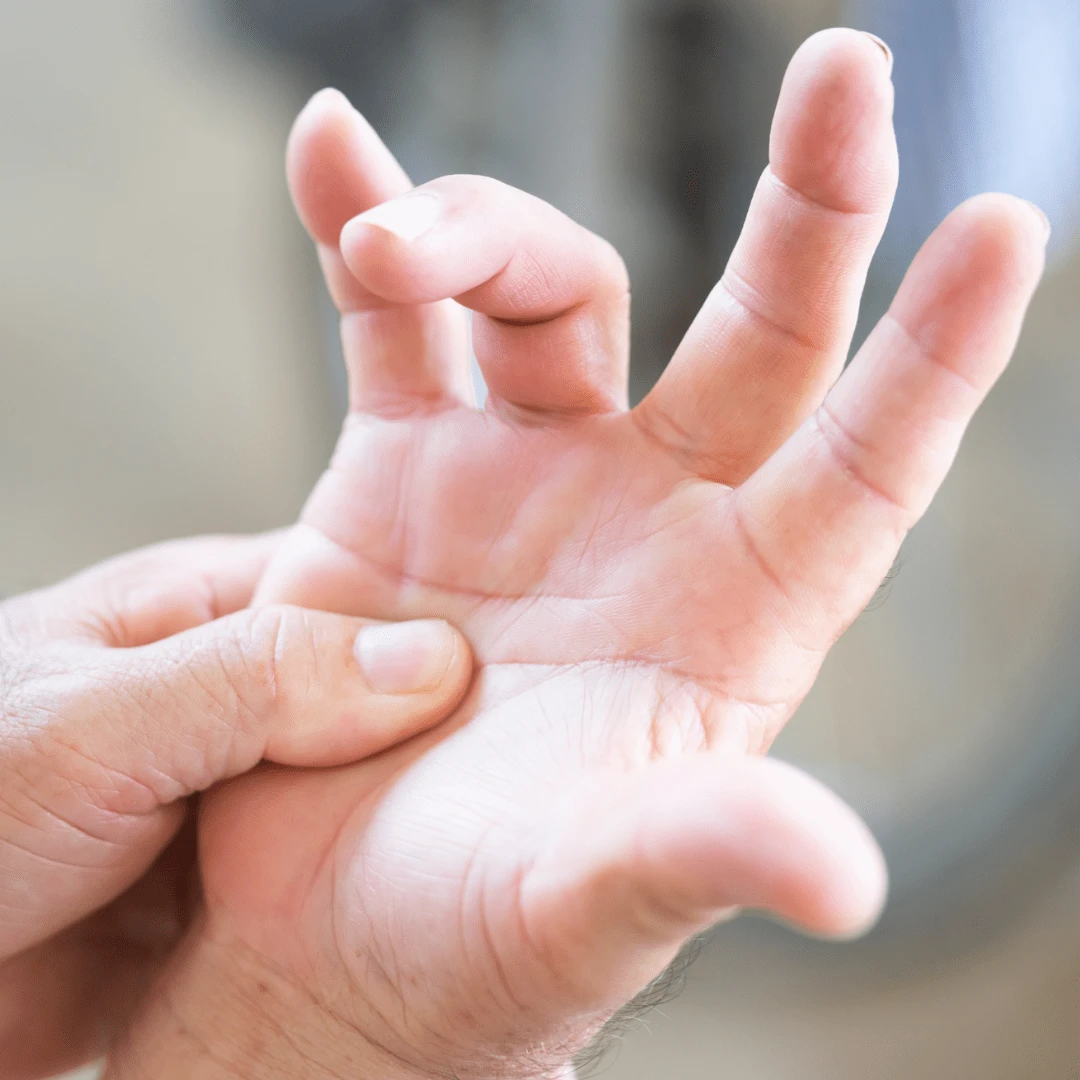
Have your fingers (usually the first, second, and third) suddenly started to hurt and go numb, especially at night when you can't get any rest? It seems you've developed carpal tunnel syndrome.
These symptoms indicate that nerve compression has occurred at the base of the wrist (at the level of the wrist joint)—that is, in the carpal tunnel, through which the flexor tendons of the fingers and the median nerve pass. This can be caused by overuse of the hand, prolonged, repetitive movements—such as working on a computer, weeding, knitting, or hand milking—as well as medical conditions (diabetes, rheumatoid arthritis), as well as injuries (a fracture of the radius).
It is precisely the overworked and strained tendons and the inflammation and swelling of their sheaths that cause compression of the median nerve and the characteristic symptoms, most often in the dominant hand.
If a person is right-handed, nerve compression occurs in the right hand because that hand bears a greater load; for a left-handed person, the opposite is true.
The symptoms worsen at night because, while we sleep, our fingers, wrists, and elbows bend, putting more pressure on the nerves; venous blood return is also slower. A telltale symptom of carpal tunnel syndrome is the urge to shake out or rub your hands when you wake up.
A nerve may also be compressed in the cubital tunnel—a narrow passageway in the elbow region—causing cubital tunnel syndrome (in which case the left arm is more affected and the fourth and fifth fingers go numb). This condition is much less common.
How can I help?
The location and extent of nerve damage must be determined, so you should see a neurologist or neurosurgeon and undergo a neurography (which helps determine the nature and extent of nerve fiber damage), an electromyogram (which assesses nerve viability and conduction ability), an ultrasound (which shows changes in the tissues surrounding the nerve), and blood tests.
During the day, you should no longer perform the activities that led to the nerve compression; in other words, you should set aside your knitting needles, but at night you should wear a wrist brace. “This will prevent the joint from bending, keep the hand in a neutral position, and prevent irritation of the nerve.”.
Keep in mind that you will need to rest your hand during the day and wear a brace at night for an extended period of time. One of the over-the-counter nonsteroidal anti-inflammatory drugs (ibuprofen, ibumetin, ibustar, or dolmen) may also be helpful.” Recommended physical therapy procedures include phonophoresis, in which anti-inflammatory medication is delivered to the affected area using ultrasound, or magnetic therapy. For very severe pain, electrophoresis with lidocaine will help.
If that hasn't helped, your doctor may recommend a steroid injection to treat tendon inflammation. The relief lasts for a very long time, but if the arm is overused again at some point, the discomfort may return.
Ja pacientam pat blokādes palīdz tikai īslaicīgi (2–3 mēnešus), katru nakti jāmostas tirpšanas dēļ un izmeklējumi uzrāda vidēji smagus vai smagus bojājumus, ķirurgs var izšķirties par operāciju, lai atbrīvotu nervu. Parasti operācijai ir labi rezultāti (sāpes un tirpšana pēc tam pāriet uzreiz). Pēc operācijas 10.–12. dienā noņem šuves, bet apmēram mēnesi cilvēks ir darba nespējīgs.
Other reasons
Often, even after surgery, the hand continues to both hurt and feel numb, causing the patient distress. “In such cases, the actual cause of the numbness may not have been carpal tunnel syndrome, but something else, such as deforming spondylosis of the cervical spine, an injury—say, to the collarbone—or compression of a higher nerve. That’s why I recommend that my patients get an X-ray of the cervical spine —so-called functional X-rays (in the extended and flexed positions)—which clearly show how the vertebrae move relative to one another. If there’s a problem, I definitely recommend seeing a doctor—a vertebrologist, neurosurgeon, or neurologist. Sometimes therapeutic exercise and muscle strengthening are sufficient, but in other cases, more serious assistance from a vertebrologist or neurosurgeon is needed. ”The condition may also fail to improve because the ligament was not fully restored during surgery or because of postoperative scar tissue,” the surgeon explains.
Nerve compression can be caused by overuse of the hand or prolonged, repetitive movements.