LMC Media
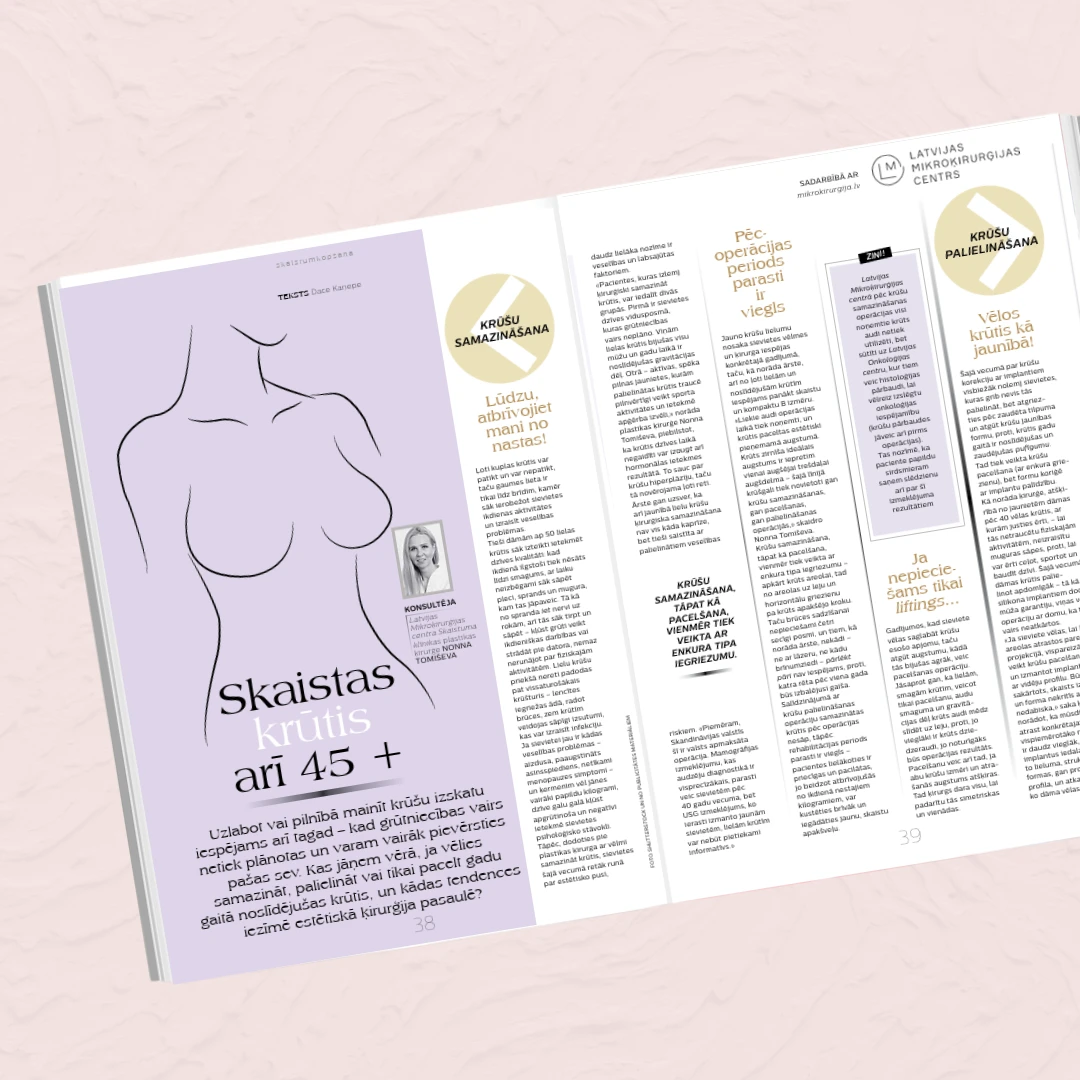
Beautiful Breasts Even After Age 45+
May 20, 2026
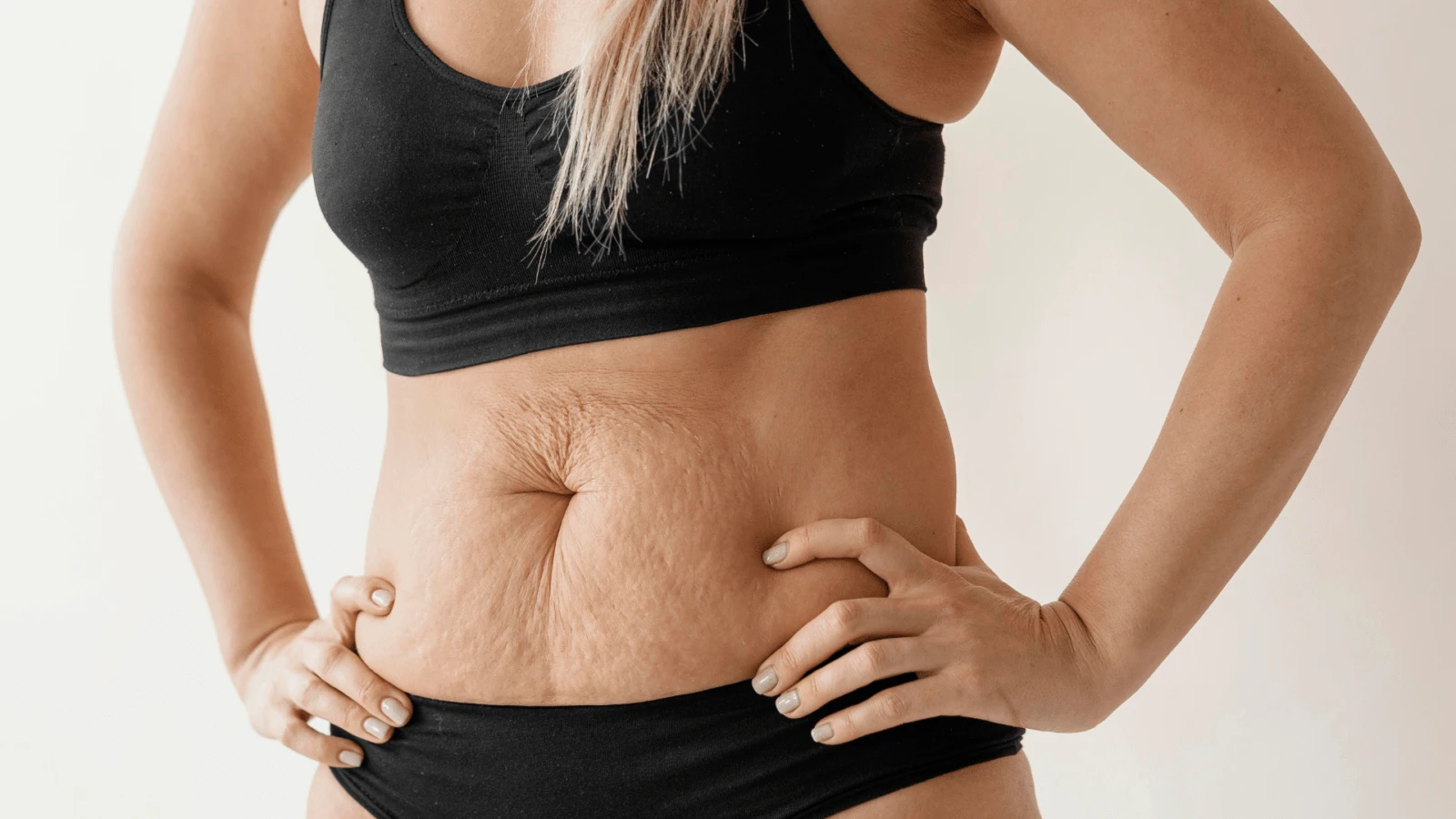
A flat stomach and a beautifully toned set of abs are still considered hallmarks of a modern, successful person.
In this article, we’ll discuss situations where neither diet nor exercise helps you get a flat stomach, but you really need quick results. There can be various reasons for this—beach season is approaching, you’re finally tired of looking out of shape, or you want to impress your significant other. Liposuction and abdominoplasty can help in these situations.
Fat removal, also known as liposuction, is a cosmetic surgical procedure that removes unwanted fat from specific parts of the body. It is typically performed on areas such as the thighs, hips, abdomen, arms, and buttocks.
The procedure involves making small incisions in the target area and inserting thin tubes, called cannulas, to break down fat cells and suction them out of the body. Several methods are used in liposuction, including ultrasound-assisted liposuction and laser-assisted liposuction.
Liposuction involves injecting a saline solution, a local anesthetic, and an adrenaline solution into the target area, which helps reduce bleeding and swelling. This technique is often used on larger areas of the body, such as the abdomen and thighs.
Ultrasonic liposuction uses high-frequency sound waves to break down fat cells before they are removed. This technique is particularly effective for areas with denser fat deposits—such as the back and male chest.
A specialized method that uses a laser for fat removal: fat cells are liquefied before being removed. This technique is used on smaller areas of the body—such as the chin and neck.
Liposuction is usually performed under general anesthesia, although local anesthesia or sedatives may be used for smaller procedures. Recovery time varies depending on the extent of the procedure and the area of the body treated. Most people return to work within a week or two, but it may take several weeks for the swelling to subside and the final results to become visible. For 2–3 weeks after liposuction, you must wear tight-fitting, elastic compression garments to reduce swelling and bruising and prevent uneven skin texture. For a few days after liposuction, you may experience discomfort and a slight burning sensation in the treated area.
Although liposuction can be an effective way to remove stubborn fat deposits, it is not a substitute for a healthy diet and exercise. The procedure is not recommended for people who are significantly overweight or who have loose, sagging skin.
As with any surgical procedure, liposuction carries certain risks, including bleeding, infection, and complications related to anesthesia. There is also a risk of uneven or temporary results, which can sometimes be corrected with additional surgery.
Overall, liposuction is a safe and effective way to achieve a beautiful body shape. However, it is important for patients to have realistic expectations, so you should choose a qualified, experienced surgeon who can help determine whether liposuction is right for you.
Abdominoplasty, also known as a tummy tuck, is a surgical procedure designed to remove excess skin and fat from the abdomen while tightening the abdominal wall muscles. It is a popular cosmetic procedure for people:
– who have lost a lot of weight;
– women who have given birth;
– people who, due to aging or genetics, have excess skin and fat in the abdominal area.
Abdominoplasty is often recommended after childbirth, especially after multiple pregnancies, as well as for people who have experienced significant weight loss. The procedure is also recommended after liposuction and other surgical procedures, including a cesarean section, if a significant amount of fatty tissue has been removed and there is a lot of excess skin on the abdomen.
The procedure involves making a horizontal incision in the lower abdomen between the hips, as well as another incision around the navel. The skin and fat are then removed from the abdominal muscles, and the muscles are tightened and sutured together to create a firmer, flatter abdominal wall. Excess skin and fat are then removed, and the remaining skin is pulled tight and sutured into place.
There are several variations of abdominoplasty, including:
– Mini tummy tuck
– Extended abdominoplasty
– Circular abdominoplasty
A mini tummy tuck is a less invasive procedure typically performed on patients with minimal excess skin and fat in the lower abdomen. An extended abdominoplasty involves a longer incision and is designed to remove excess skin and fat from the abdomen and flanks. A circumferential abdominoplasty, also known as a body lift, is a more extensive procedure that removes excess skin and fat from the entire midsection, including the back and hips.
Abdominoplasty is usually performed under general anesthesia and can take several hours, depending on the extent of the procedure. Recovery time varies—depending on the extent of the surgery and the patient’s overall health— but most people return to work and resume light activities within two to four weeks. Any strenuous physical activity should be avoided for six to eight weeks after surgery.
As with any surgical procedure, abdominoplasty carries risks, including bleeding, infection, and complications related to anesthesia. There is also a risk of seromas (fluid buildup under the skin) or poor wound healing. Scars are another possible side effect of the procedure, although they can usually be concealed by clothing.
In conclusion, it should be noted that abdominoplasty can be an effective way to achieve a flatter, more attractive appearance of the abdomen. However, it is important to choose a qualified, experienced surgeon who will determine whether a tummy tuck is right for you. A consultation with a board-certified plastic surgeon will help you understand the risks and benefits of the procedure, as well as achieve your desired results.