LMC Media
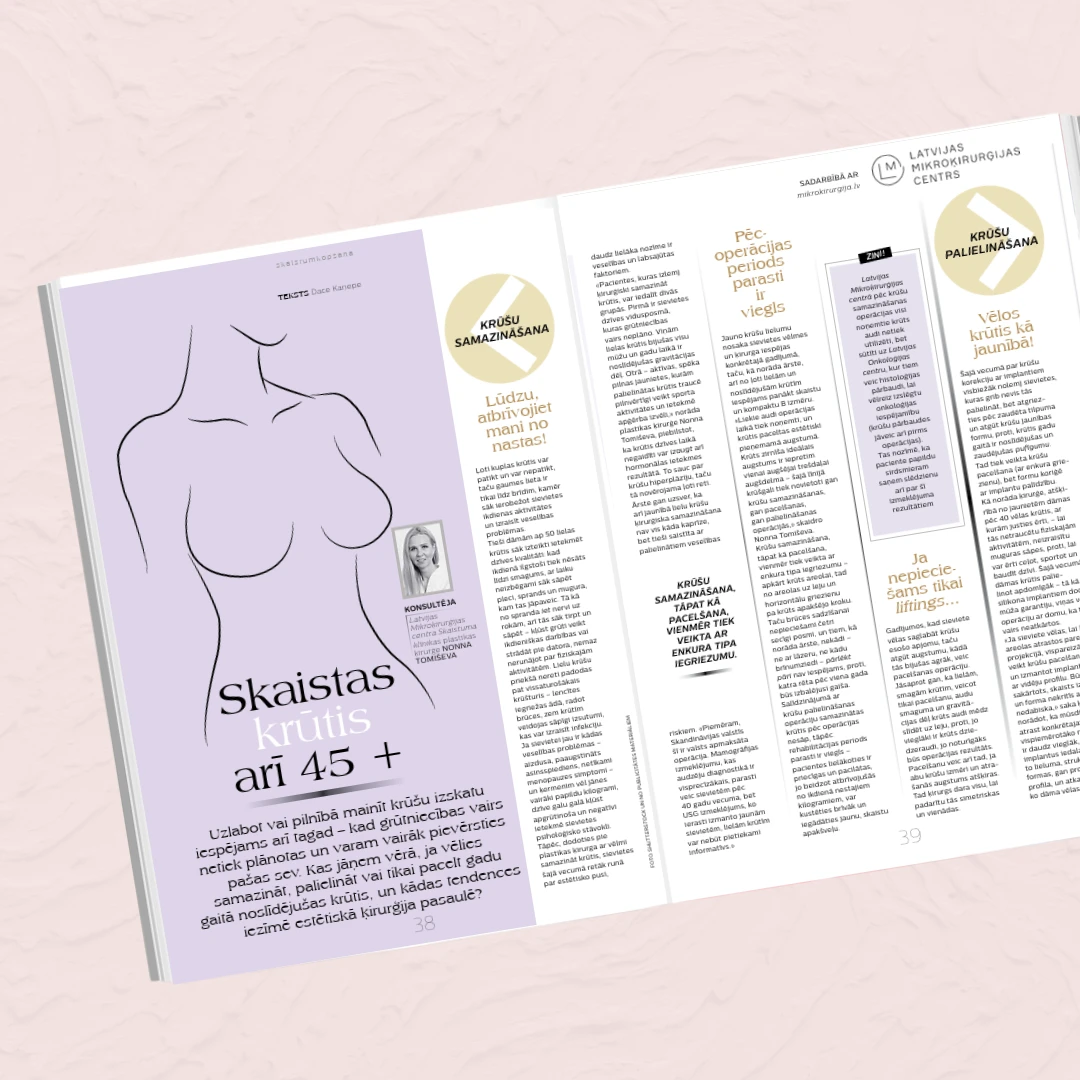
Beautiful Breasts Even After Age 45+
May 20, 2026
A teenager who was most likely injured by a cluster bomb during the war in Ukraine received medical care at Riga East Hospital. The use of these bombs is prohibited because their purpose is to cause the widest and most severe damage possible to civilians. The boy was in excruciating pain because a piece of foil had severed the nerves in his shoulder, paralyzing his right arm.
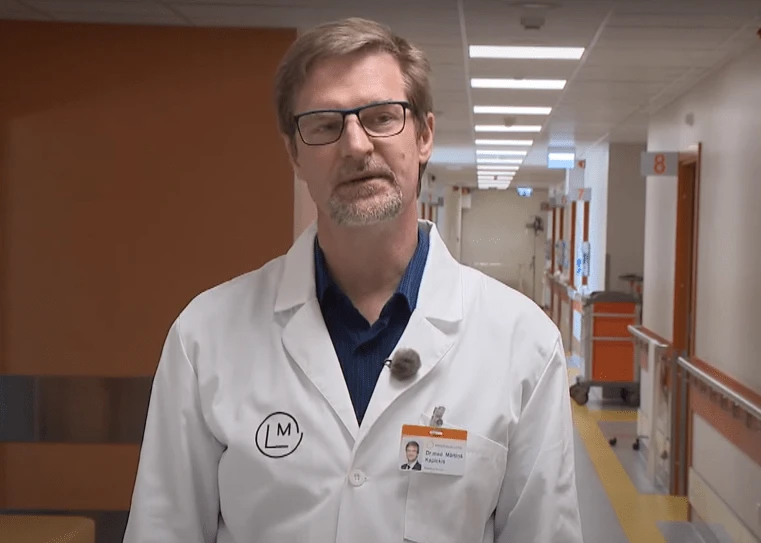
“That’s unimaginable. Until now, we haven’t had a single child with a gunshot wound,” said Mārtiņš Kapickis, a leading specialist in peripheral nerve surgery at the Microsurgery Center. Speaking about the teenager who underwent surgery—who, given his physique, was still like a little boy—the microsurgeon became emotional.
The boy and his mother declined to speak with LTV, especially after their ordeal in the Russian refugee corridor. “He’s happy that people are taking care of him and that he’s receiving help. Because during that first stage, they cleaned out the wound and stitched it up. That’s normal, completely normal. It happened at the border—the Ukrainian border,” Kapickis noted.
The small bright spot visible on the X-ray caused excruciating pain. The boy was injured in the neck on March 2 in Ukraine. Nerve damage hurts much more than a fracture. Two months of excruciating pain followed, until he ended up in a small Latvian town with a knowledgeable family doctor. It was she who referred the boy to Mārtiņš Kapickis. ”The most excruciating thing that can happen to the human body. Anyone who’s ever had a toothache understands what that means. And that’s just one-thousandth of it. Wild, excruciating pain. When I first met him, it was impossible to communicate with him because of the pain,” the microsurgeon explained.
At first, the doctors were looking for a piece of the shell: “We were looking for a serious shard, a hard one.”But it turned out to be a sheet of foil that had severed the brachial plexus and lodged in the spine. ”If the foil is traveling at breakneck speed, its mass increases proportionally. A straw can pierce a wall if it’s moving fast enough,” Kapicka explained.
That is precisely why doctors believe the teenager was injured by a weapon whose use is prohibited by international agreements. “The shrapnel is made of hard metal and can actually be felt. This wasn’t the case here. It’s foil. And cluster bombs are essentially that—a collection of various foreign objects designed to cause greater damage, not to kill,” the doctor noted.
The surgery lasted seven hours. During the procedure, nerve branches were transplanted from the boy’s leg. In the second stage, a sort of bypass was performed on the nerves in his shoulder and neck.
“Nerve transposition. It sounds strange, but it’s like switching the electricity from the muscles that have too much to those that have none. In layman’s terms—Robin Hood surgery. Take from those who have too much and give to those who have nothing,” Kapicka explained.
A nerve regenerates one millimeter per day. Therefore, it will take several months before the arm can move again. And several more surgeries will be needed over the next year or so. ”It’s not like an electrical cable that you plug in and the electrons start flowing. ”A nerve is like a river—like a river of gel, where the gel slowly regenerates and carries that charge,” explained the microsurgeon. But the ability to help was a positive boost for the entire team.To date, 371 Ukrainian citizens have received treatment at Riga East Hospital.