LMC Media
Beautiful Breasts Even After Age 45+
May 20, 2026
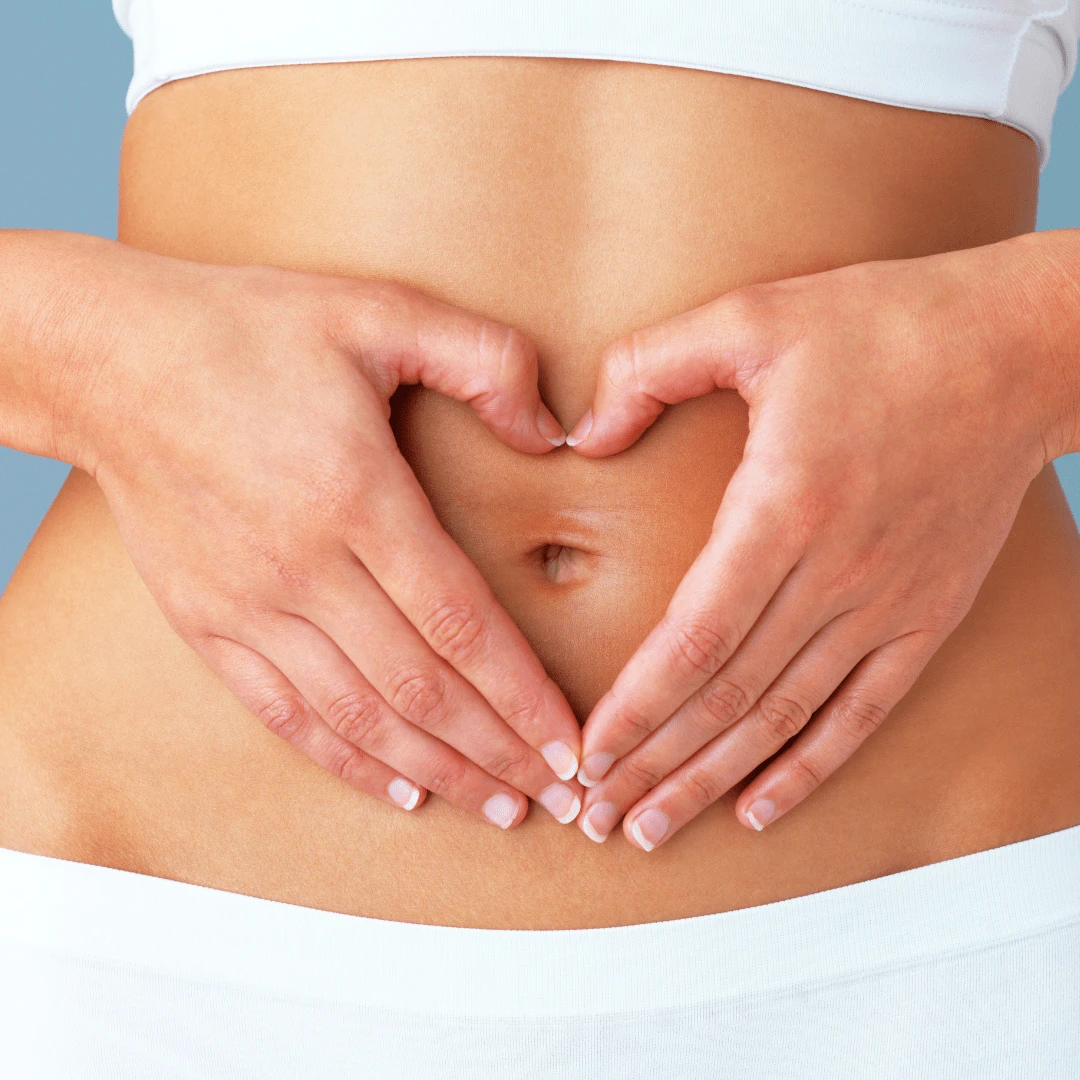
Abdominoplasty is a surgical procedure designed to restore aesthetically pleasing and attractive abdominal proportions. If necessary, diastasis or a hernia that causes functional disorders of the gastrointestinal tract, blood circulation, or breathing can be corrected during the procedure.
The most common causes of abdominal wall deformities:
• Significant weight gain;
• Physical changes caused by pregnancy, such as the appearance of cellulite and stretch marks;
• Rapid weight loss;
• Weakness of the muscles of the anterior abdominal wall – diastasis.
During abdominoplasty, excess skin and subcutaneous fat are removed, and the muscles of the anterior abdominal wall are tightened. If necessary, liposuction may be performed.
For women, abdominoplasty is most commonly performed to tighten loose skin that has developed during pregnancy and to correct weakness in the abdominal muscles. Tummy tucks are effective for patients who have lost weight but whose skin has not regained its elasticity and remains saggy. It is also used in cases where there is a protruding abdomen that does not disappear with exercise or dieting.
There are two types of abdominoplasty, depending on the extent of the surgery:
• During a “mini” or partial abdominoplasty, excess skin and the subcutaneous fat layer in the lower abdomen, below the navel, are removed without repositioning the navel. At the same time, it is possible to perform muscle repair and correct hernias, if they are located in this part of the abdomen;
• During a “classic” or full abdominoplasty, excess skin and the subcutaneous fat layer are removed, starting from the ribs and extending down to the lower abdomen. In this case, the navel is repositioned. At the same time, any necessary procedures to correct abdominal muscles or hernias are performed.
Abdominoplasty is performed under general anesthesia; the surgery usually lasts 2–4 hours.
The recovery period depends on the extent of the surgery. You may experience pain or discomfort at first, especially if muscle or hernia repairs were also performed. A special compression belt must be worn for approximately four weeks after surgery. Physical activity should be resumed gradually, no sooner than six weeks after surgery. Surgical scars will fade and flatten over a period of 6–18 months.
The average age at which such surgeries are performed is 30–40 years.
Important! Abdominoplasty is not a procedure for treating obesity or losing weight. Before undergoing the procedure, the causes of obesity must be identified, and other possible methods of weight loss should be explored.
Abdominoplasty is the most effective way to restore a smooth, flat stomach when other methods don't produce the desired results!
The results of an abdominoplasty are long-lasting if you maintain a balanced diet and stay physically active over the long term!